protect. perform. prolong. Industrial nano technologies · SOVA

Surface protection

Nano coatings for glass, ceramics, metal, plastic, concrete and textile.

Nano coatings are used when a surface needs to withstand water, grease, dirt, wear or corrosion for longer. The layer is measured in nanometres (1–100 nm), so it changes neither the appearance nor the dimensions of the surface. We choose the system according to the material and the operating conditions.

A glass/industrial surface protected with a nano coating
Nano layer · hydrophobic and oleophobic
Hydrophobicrepels water
Oleophobicrepels oil
Anti-corrosionand easier cleaning
What nano coatings are

Nanometre-scale surface protection

The layer is thin enough that it cannot be seen or felt, yet it changes what matters: how much dirt clings to the surface, how quickly wear sets in, and how long the surface lasts before it needs servicing. It is used in mechanical engineering, energy, transport, construction and the food industry — anywhere downtime and replacement cost more than protection.

Systems

Nano systems by surface type

Each system is formulated for a specific group of materials. Shared properties: superhydrophobicity, oleophobicity and an easy-clean effect.

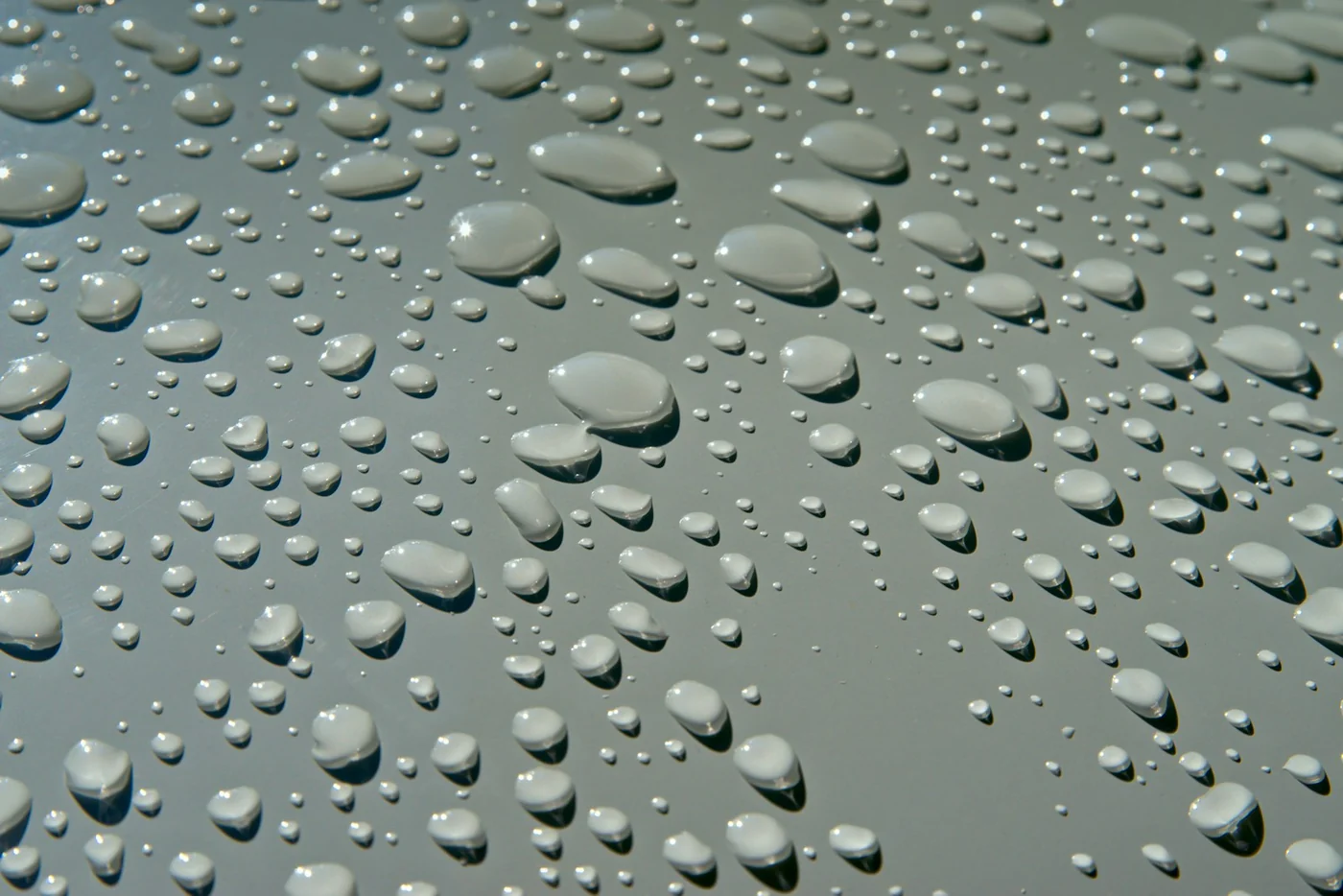
Water droplets on a metal/stainless surface — easy-clean effect
NANO SYSTEM PSL

Metal, stainless steel, plastic, paint

Stainless steel, painted metal, inox, plastic, plexiglass, lacquered surfaces.

  • Hydrophobic and oleophobic properties, a non-stick surface effect
  • An invisible layer that doesn't change the look of the material
  • Easier cleaning and longer-lasting surface protection
Applied to tools, machines and industrial surfaces →

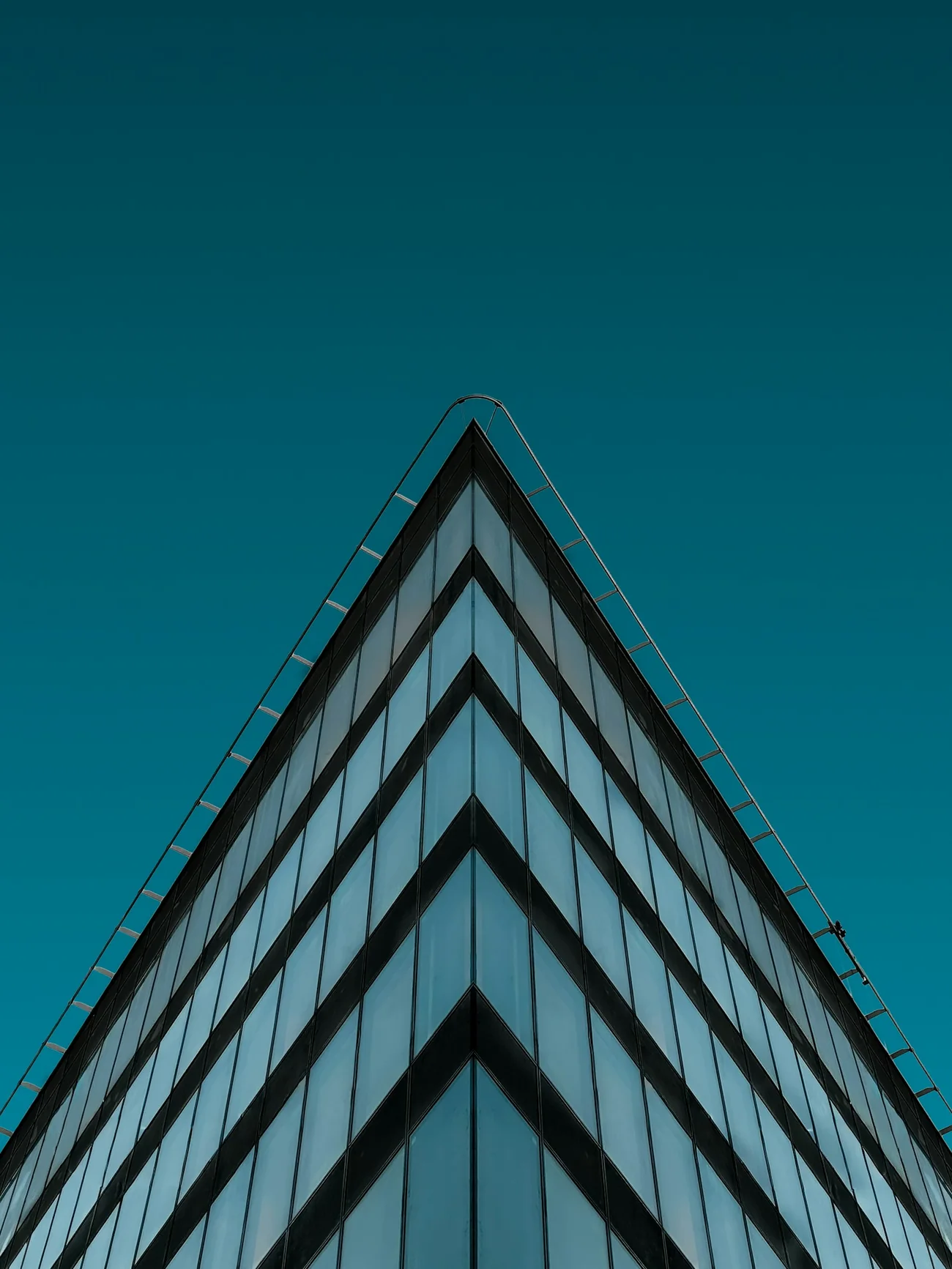
Glass façade of a modern building
NANO SYSTEM GC

Glass and ceramics

Glass surfaces and glazed ceramics — windows, railings, façades, tiles.

  • A UV-resistant shield against dirt, grease and water
  • Water slides off more easily and dirt is less likely to stick
  • Simpler maintenance of large glass surfaces
Concrete/mineral façade of a building
NANO SYSTEM MS

Concrete, stone, façades, walls

Porous mineral surfaces — concrete, natural stone, terracotta, façades, walls.

  • Repels water, oil and dirt (self-cleaning effect)
  • Doesn't clog the pores — the surface "breathes" (vapour-permeable)
  • Reduces the likelihood of mould and fungi forming
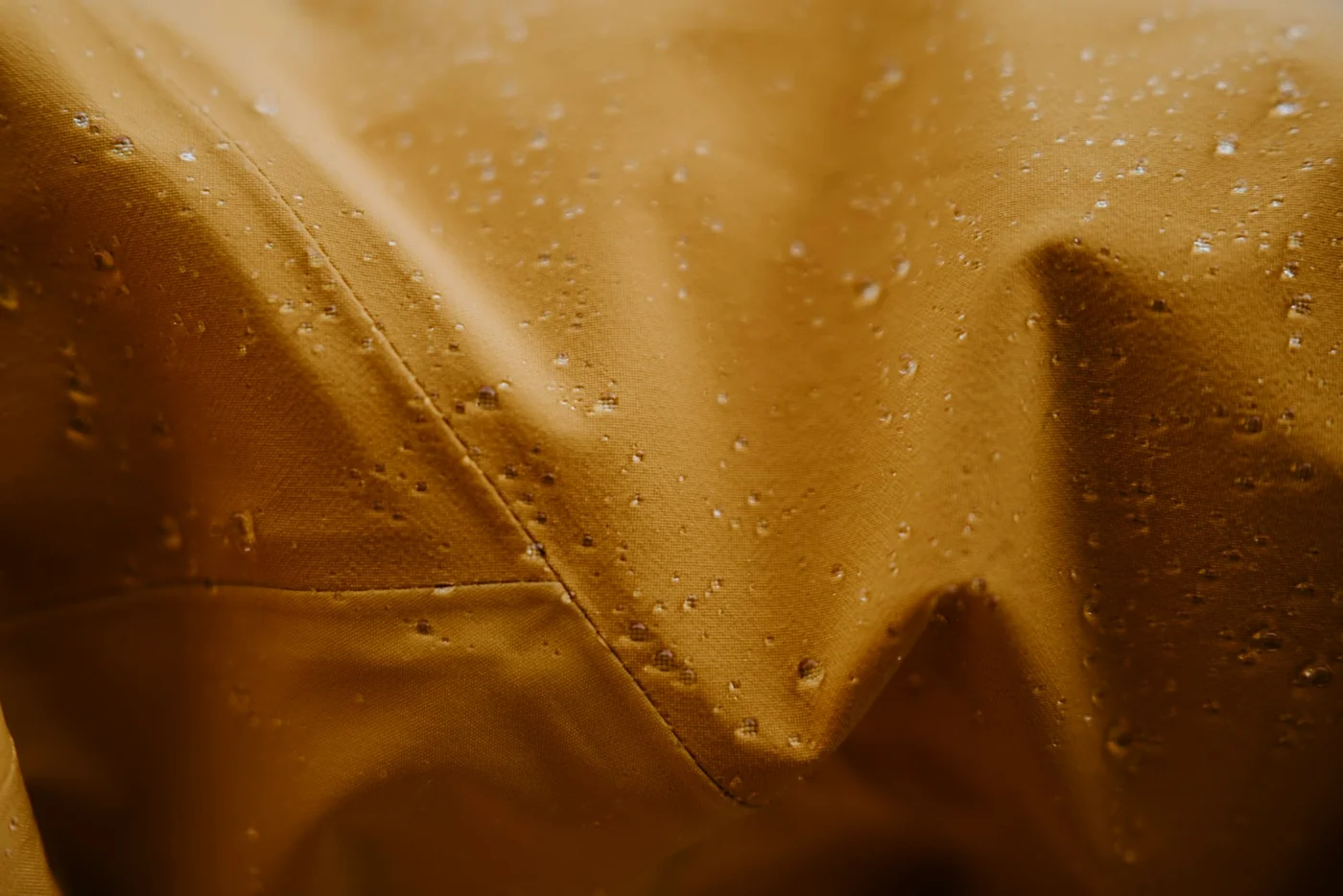
Water droplets on technical textile — repellent effect
NANO SYSTEM TNW

Textile, leather, paper, wood

Textiles and footwear, suede, paper, cardboard, natural wood.

  • Repels water and stains, with an easy-clean effect
  • Doesn't change the material's texture or colour; vapour-permeable
  • Protection against various kinds of stains
Advantages

Advantages of nano coatings

The effect depends on the material and the conditions of application; we propose a suitable system after an assessment.

Areas of application

On which materials and components

Nano coatings can be applied to a wide range of materials and components, including:

Why nano technology

Reliability, lower costs, a longer service life

The most common reason people call us is the same one: equipment wears out faster than planned, maintenance piles up, and production stoppages cost money. A nano coating doesn't solve everything, but it reduces wear and corrosion and extends the intervals between services. Which system goes on which surface — we propose that only after an on-site assessment.

Contact

Have a surface you'd like to protect?

Send us the type of material and the conditions of use — we'll suggest a suitable nano system.