01
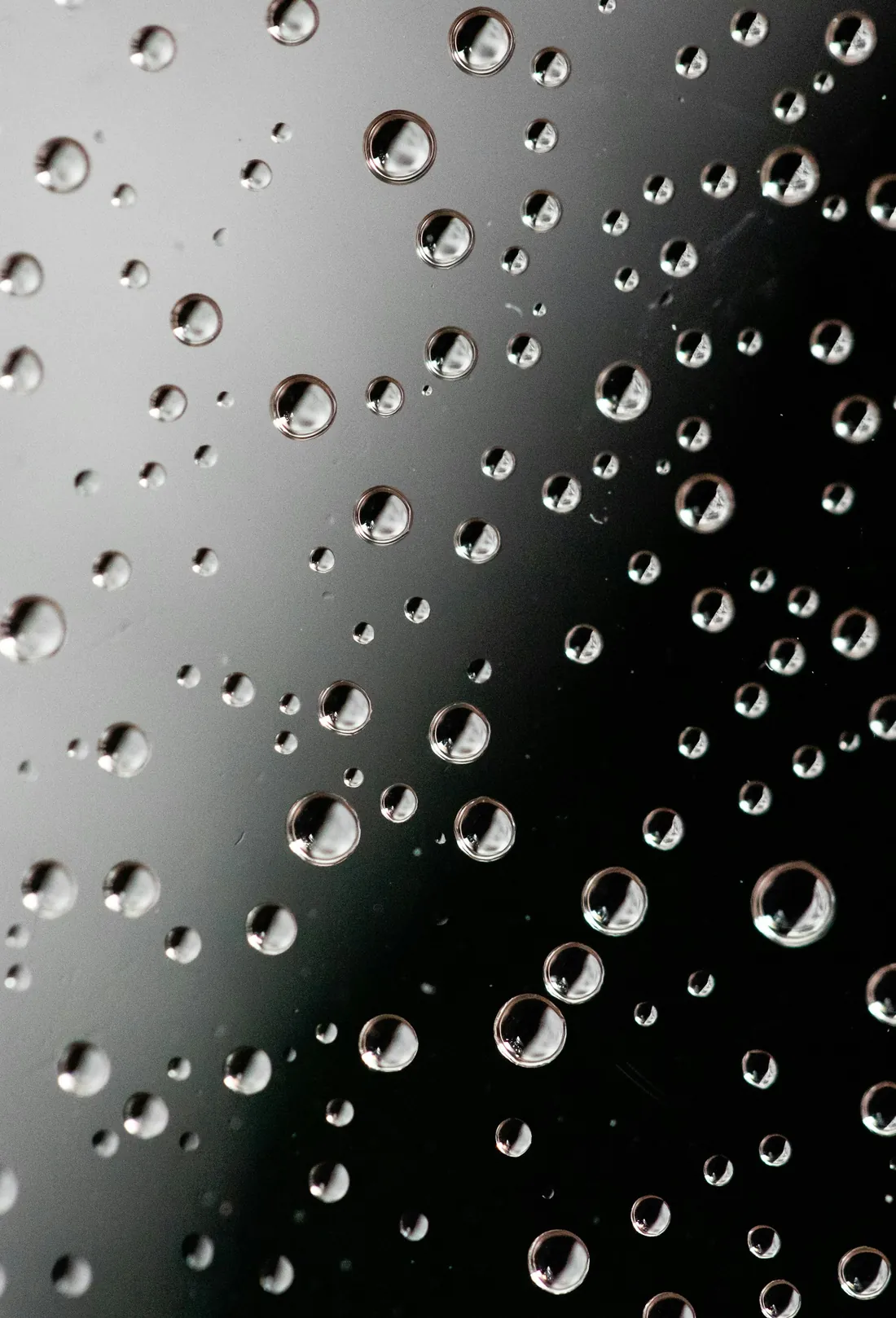
Water beads and slides off
Droplets don't spread out but glide off the surface, carrying some of the dirt with them.
 protect. perform. prolong.
Special technology area · SOVA
protect. perform. prolong.
Special technology area · SOVA
Nano protective coatings for surfaces, processes and solar panels.
Invisible protective layers that make maintenance easier, reduce how much dirt sticks, and help materials keep their appearance and function for longer.
An ultra-thin layer changes how the surface behaves: water and dirt bond less strongly, so grime is easier to remove.
Droplets don't spread out but glide off the surface, carrying some of the dirt with them.
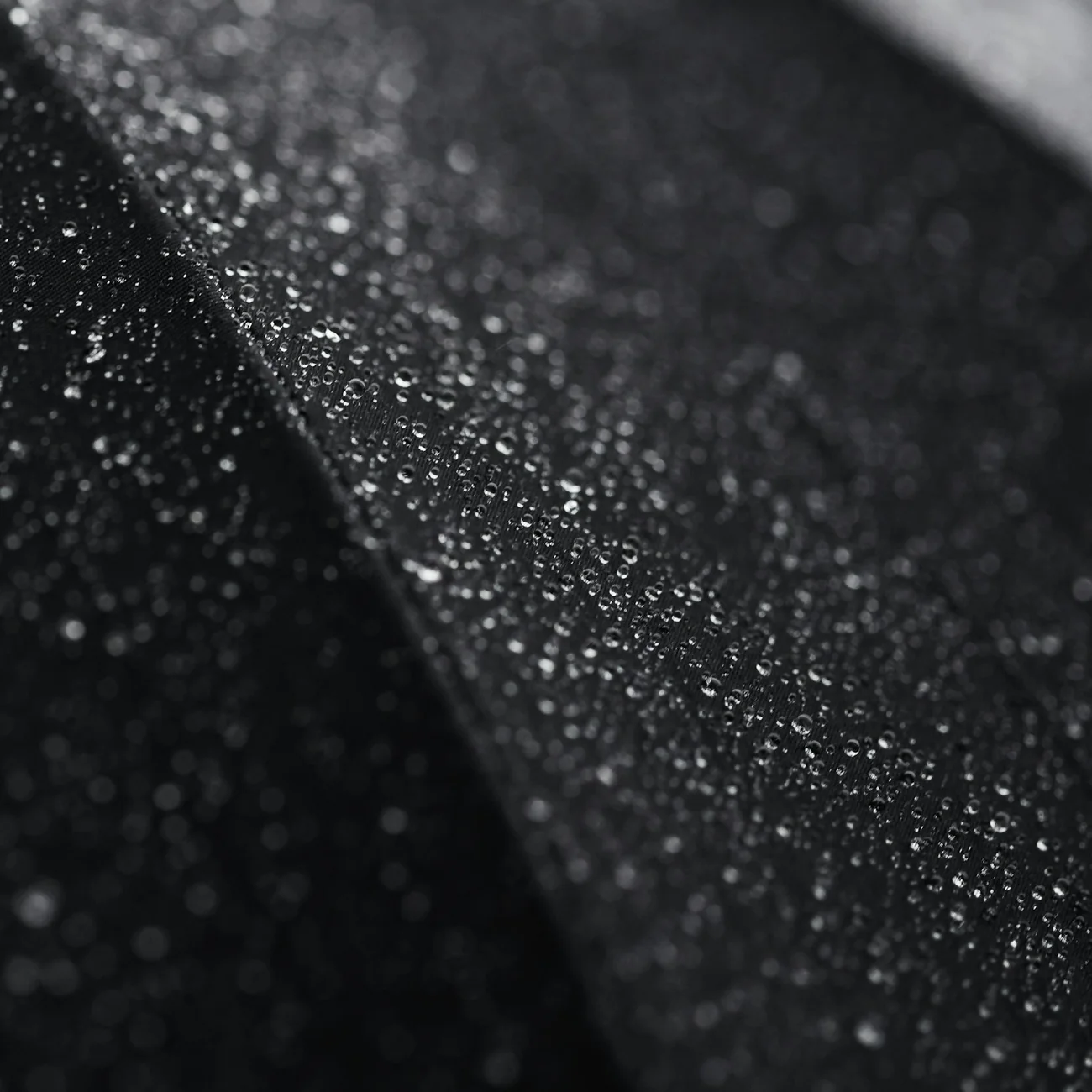
Dust, grease and stains adhere less easily, so the surface stays clean for longer.

Less effort and less frequent cleaning, while the material keeps its original appearance.
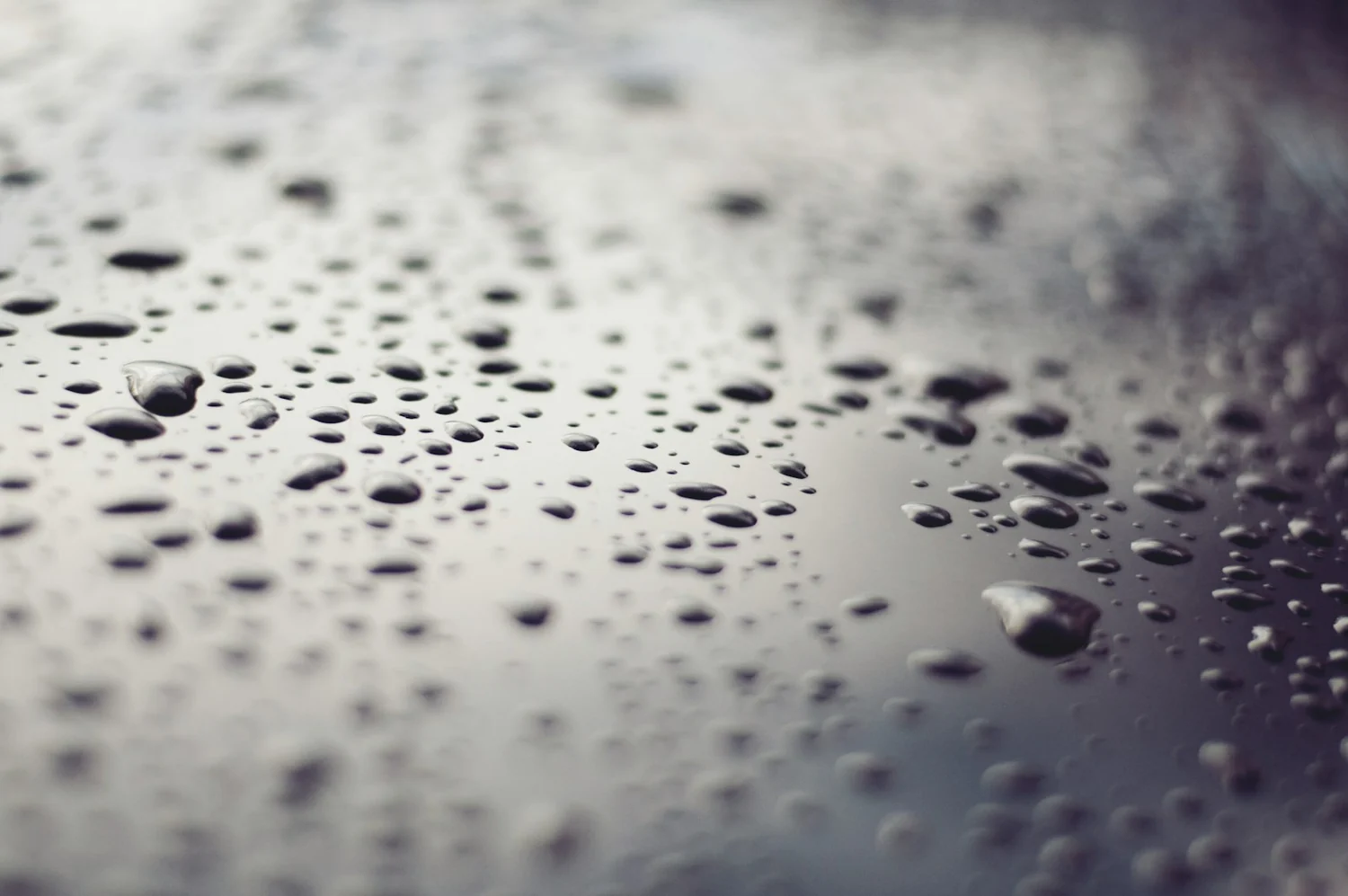
Each system is formulated for a specific group of materials. Shared properties: superhydrophobicity, oleophobicity and an easy-clean effect.
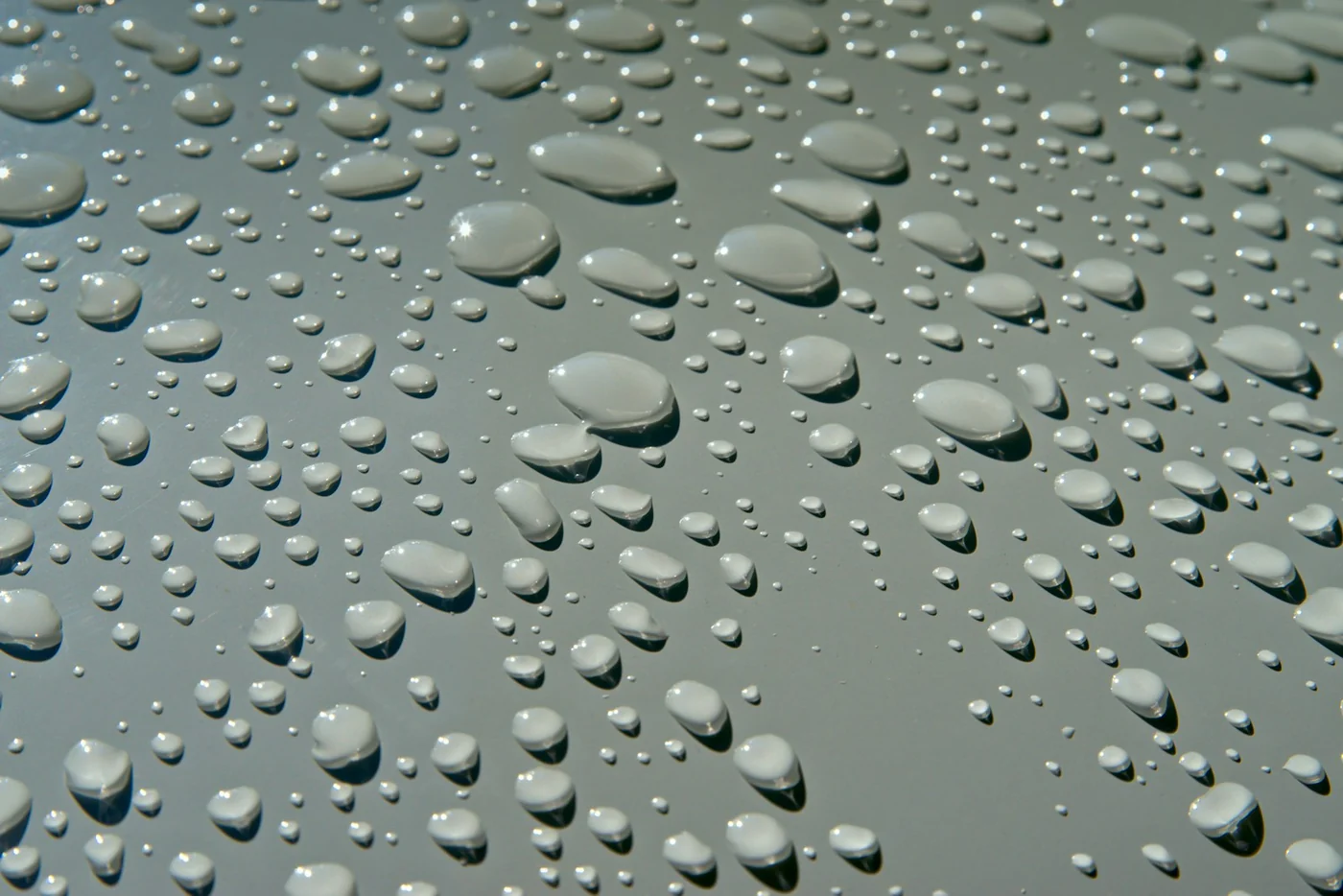
Stainless steel, painted metal, inox, plastic, plexiglass, lacquered surfaces.
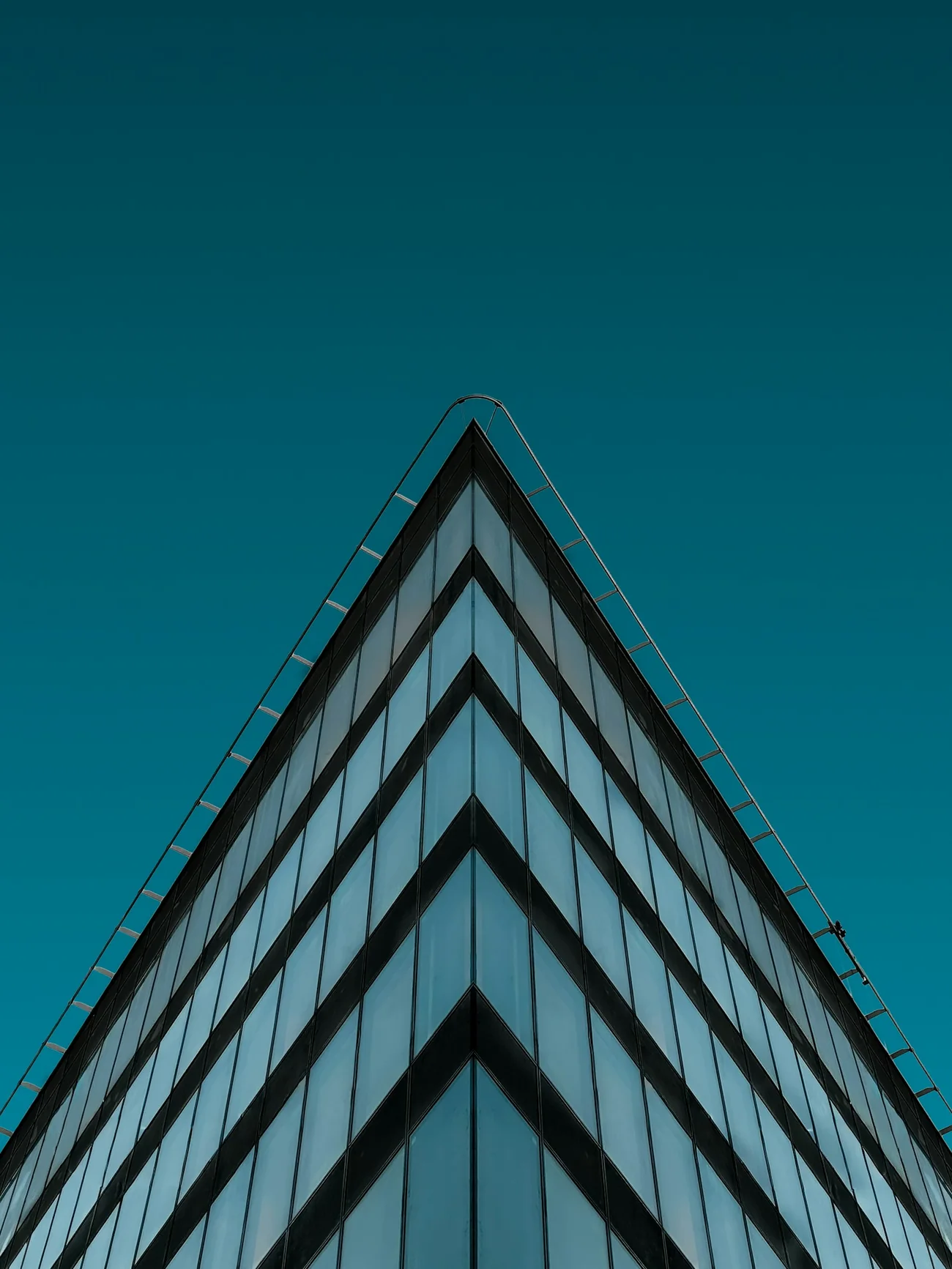
Glass surfaces and glazed ceramics — windows, railings, façades, tiles.
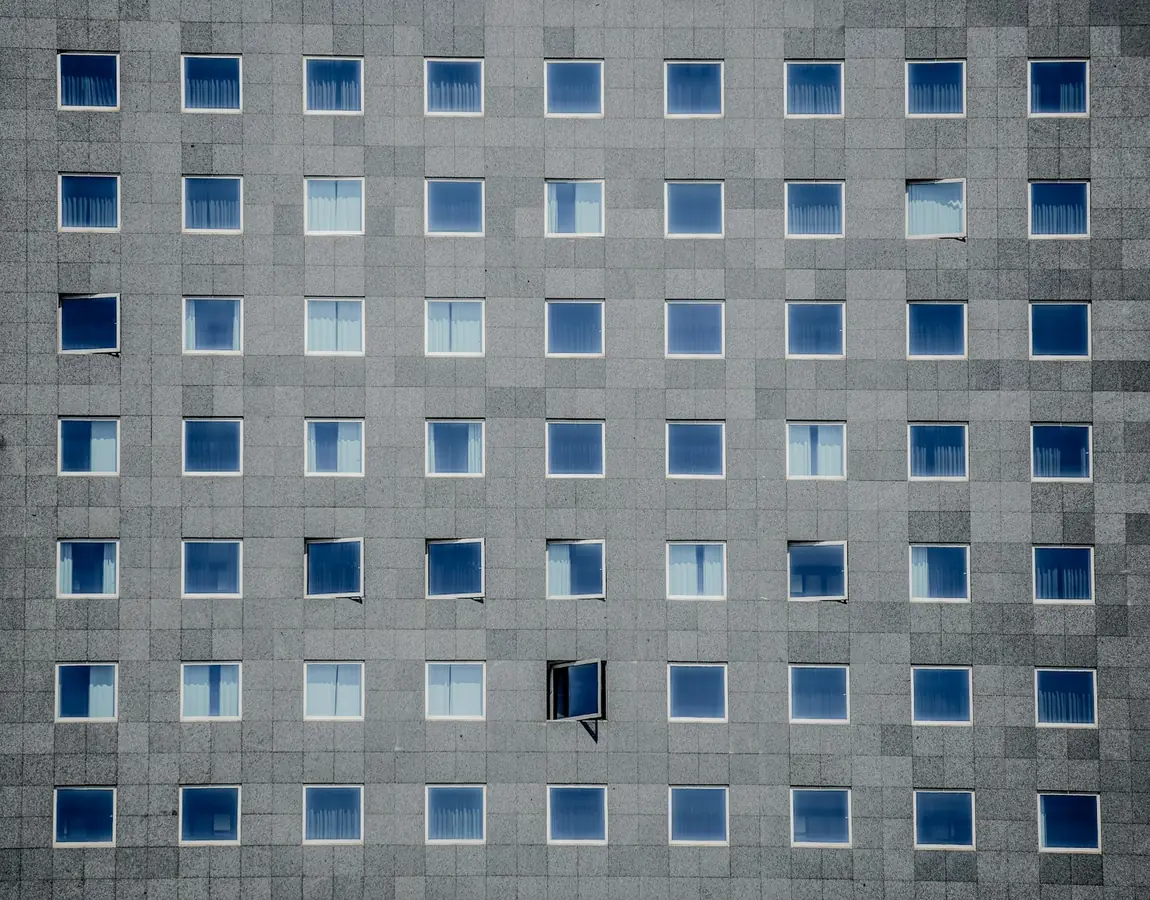
Porous mineral surfaces — concrete, natural stone, terracotta, façades, walls.
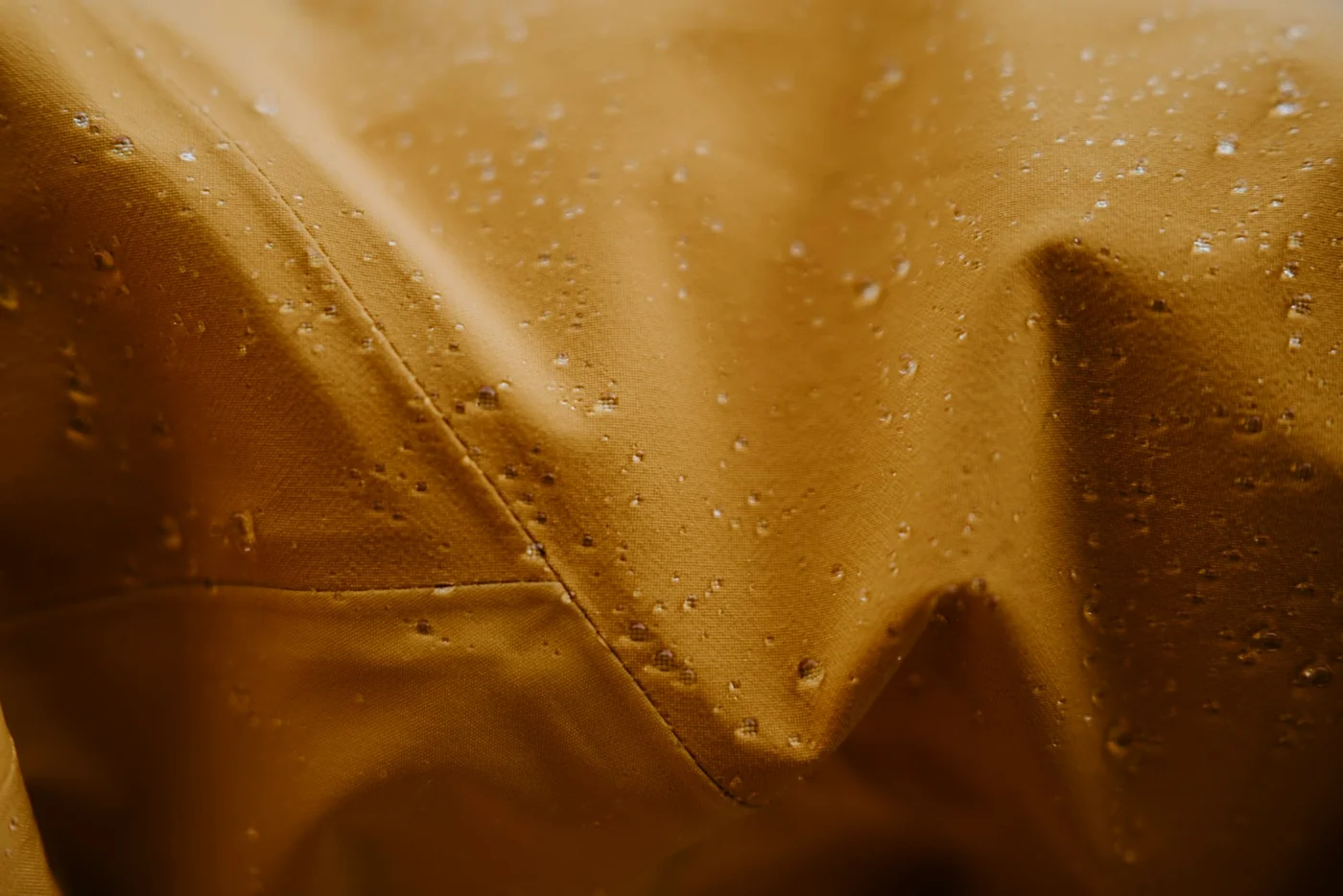
Textiles and footwear, suede, paper, cardboard, natural wood.
Five areas in which we apply nano systems — tool protection, surface protection, advanced lubricants and additives, solar panel protection and nano disinfection. Each area has its own properties and applications; we propose a suitable system after an assessment, depending on the material and the operating conditions.
A protective nano layer for industrial tools and equipment exposed to friction, wear, corrosion and high thermal loads.
Application: tools, moulds, machine parts and assemblies in production. More details →
Learn more →Nano coatings — invisible functional layers with hydrophobic and oleophobic properties for industrial and other surfaces.
Application: industrial and mineral surfaces, equipment and solar panels. More details →
Learn more →Advanced lubricants and additives that can contribute to more stable and more efficient operation of equipment — depending on the operating conditions.
Application: machines, drives and industrial equipment. More details →
Learn more →A protective nano layer helps dust, grease and water settle less on the panels, which makes cleaning and maintenance of photovoltaic systems easier.
Application: rooftop and ground-mounted solar power plants, panels on commercial and industrial buildings. More details →
Learn more →Disinfection with a protective layer of extended action, primarily through fogging of enclosed spaces — the nano part of our sanitary (DDD) offering.
Application: enclosed spaces — clinics, food production, hospitality, schools and offices. More details →
Learn more →* Specific values (percentages, temperatures, durations and intervals) depend on the material, the load and the operating conditions, and are only stated with a confirmed analysis or technical documentation.
Some technical values and durations depend on the substrate, application method and maintenance. Before final publication the technical data sheets and permitted claims need to be confirmed.
Nano protection is the application of an ultra-thin layer that changes how a surface behaves — water and dirt bond less easily, so grime is removed more easily and the material keeps its look and function for longer.
On glass and ceramics, metal and stainless steel, plastic, textile and leather, concrete, stone and façades, and on solar panels. A dedicated nano system is used for each group of materials.
The layer is invisible and does not change the look or texture of the material. On porous surfaces it remains vapour-permeable, so the surface still breathes.
Yes. The protective layer helps dust, grease and water settle less on the panels, which makes cleaning and maintenance of photovoltaic systems easier.
According to the type of material and conditions of use. Send us the surface type and how it is used, and we propose the appropriate nano system.
Send us the type of material and the conditions of use — we'll suggest a suitable nano system.